Pioneers

21 pioneers

Sign in to create personalized posters and printable learning resources.

Abū Manṣūr al-Thaʿālibī

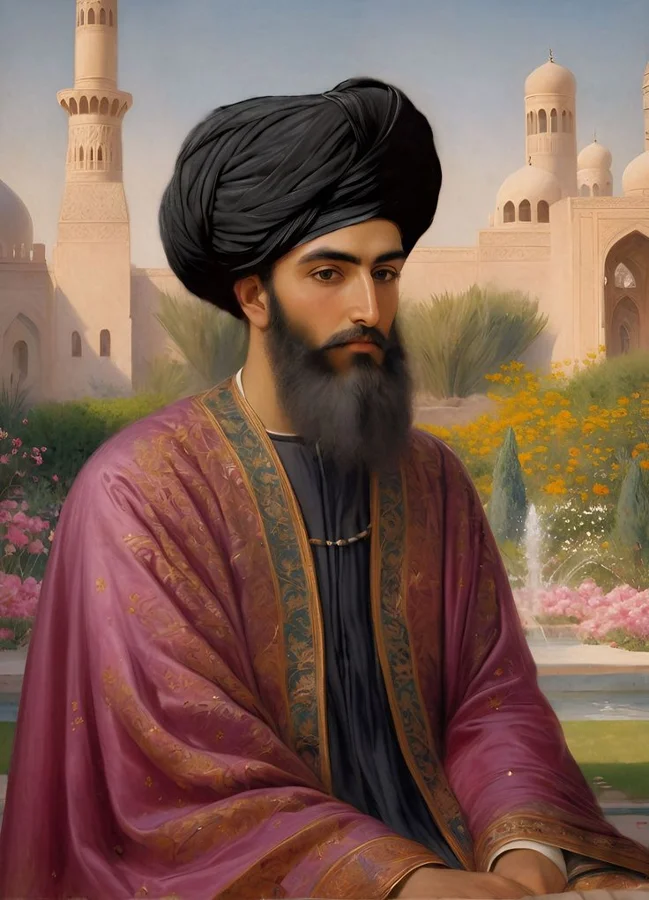
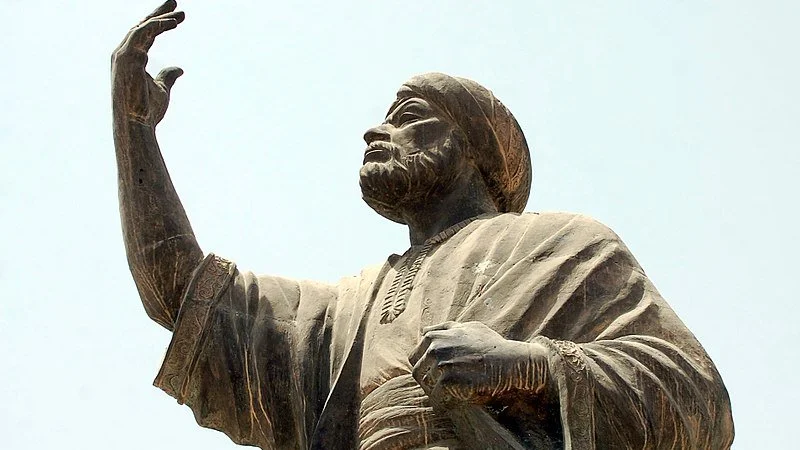
Al-Thaʿālibī collected Arabic poetry and wrote about the people who created it. Born in Nishapur in 961, he helped preserve the voices of writers across different regions. His anthology, Yatīmat al-dahr, is a window into the literary world of his time.
Al-Būṣīrī

Devotional poetry in praise of the Prophet, represented in the collection.

Al-Mutanabbī

Arabic poetry associated with the court of Sayf al-Dawla.

Bedam Shah Warsi

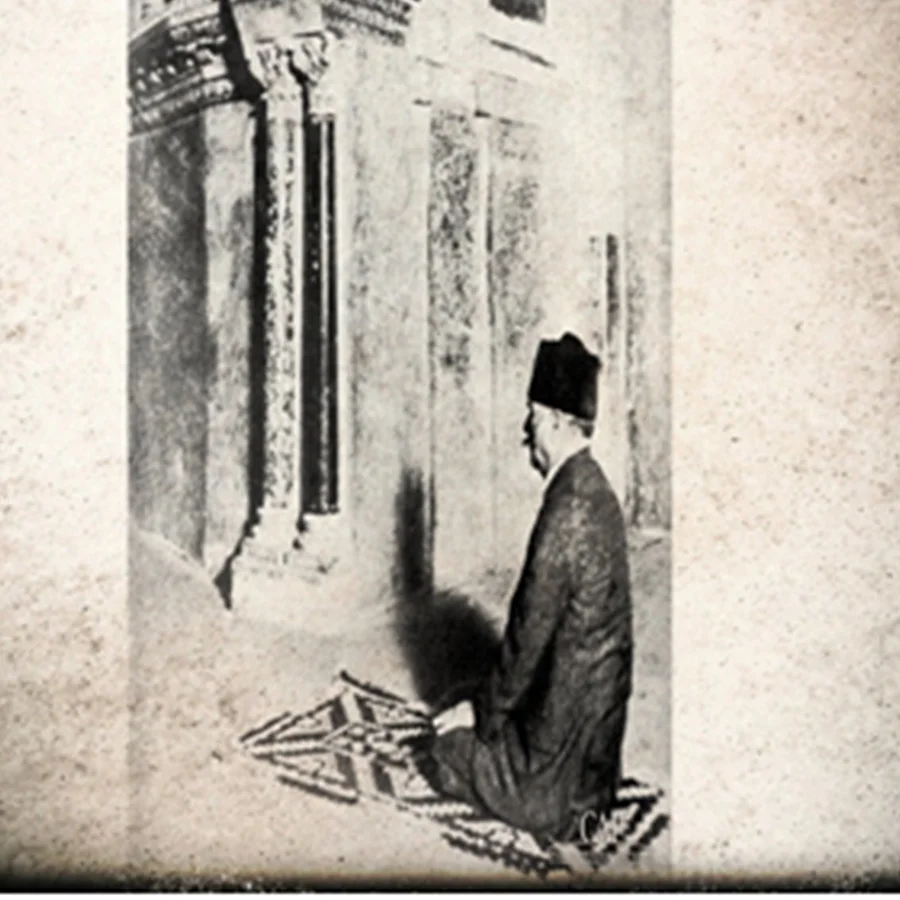
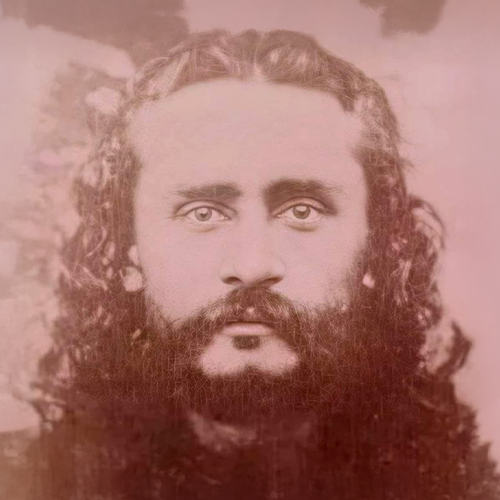
Bedam Shah Warsi wrote Urdu poetry about love and devotion. His poems show how rhythm, imagery, and carefully chosen words can express feelings that ordinary speech struggles to capture.

Fakhr al-Dīn ʿIrāqī

Poetry and philosophical exploration of divine love, metaphysics, and reality.

Goethe

The West–Eastern Divan and its relationship to Iqbāl’s Payām-i Mashriq; also represented by a notebook image.

Ḥāfiẓ

Persian poetry represented in the collection.

Ḥamza Yusuf

Religious teaching and a poem quoted by the account.

Ibn al-Fāriḍ

Arabic poetry of divine love and Sufi experience.

Muḥammad Iqbāl

Poetry and philosophical reflection; Payām-i Mashriq is discussed in relation to Goethe’s West–Eastern Divan.

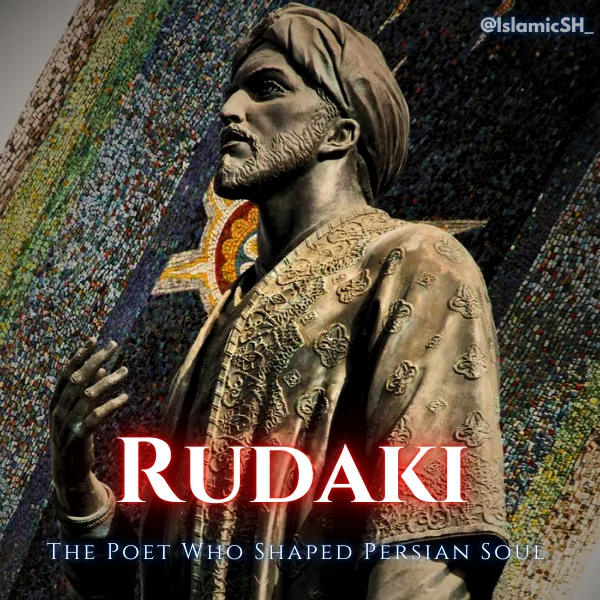
Rūdakī

Persian court poetry and a foundational place in the Persian literary tradition.

Rūmī

Sufi poetry and the Mathnawī, represented through quotations, manuscripts, and later reception.

Sanāʾī Ghaznavī

Persian religious and Sufi poetry associated with Ghazni.

Saʿdī Shīrāzī

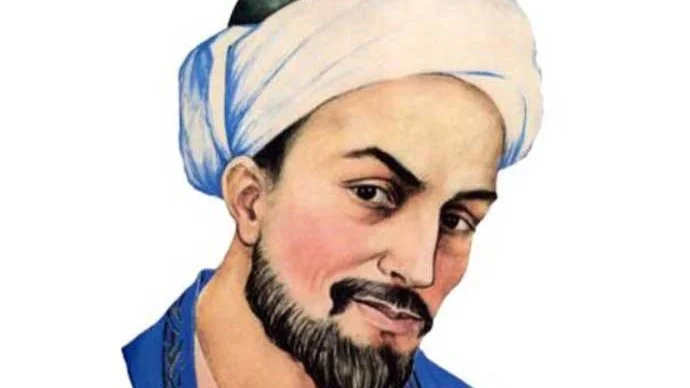
Persian poetry and ethical prose, including the Golestān.

Sehî Bey

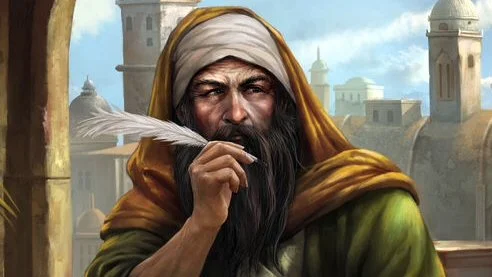
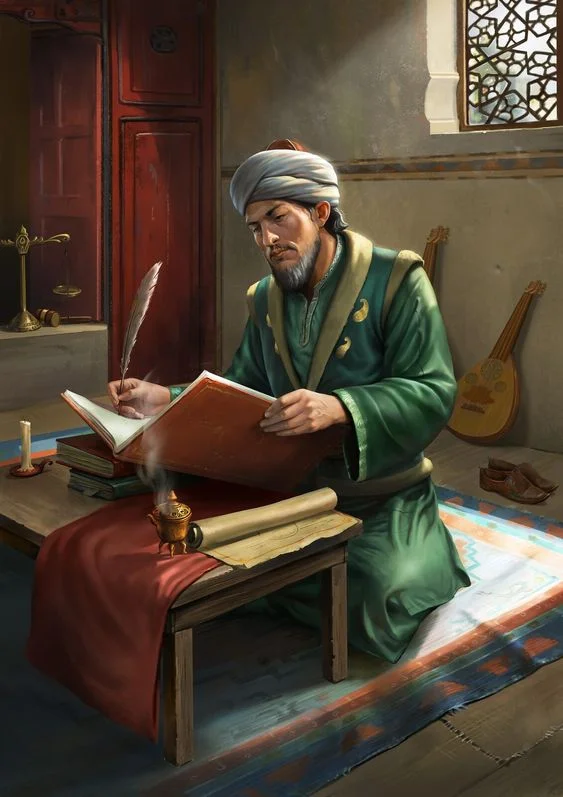
Sehî Bey was an Ottoman poet who helped preserve other poets’ lives and writing. In 1538 he completed Heşt Bihişt, a collection of short biographies and examples of poetry. His choices let us ask whose voices a collection remembers—and whose it leaves out.

Selim I

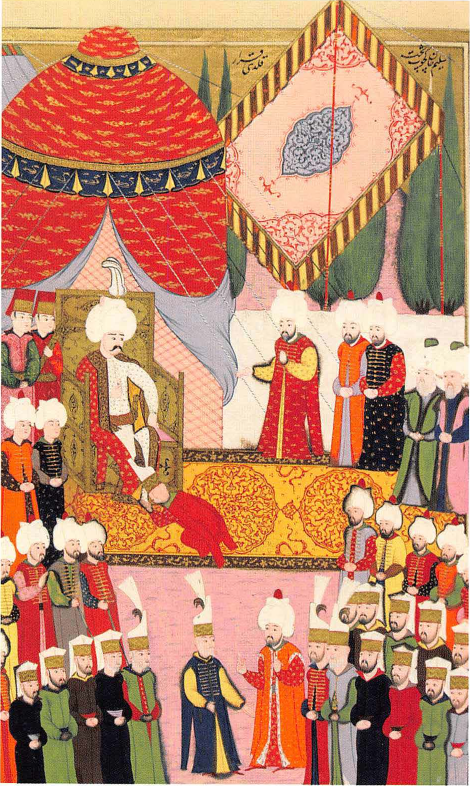
Selim I ruled the Ottoman Empire from 1512 to 1520 and also wrote poetry in Persian. His writing offers a way to explore language, power, and life at court. Reading poems alongside history helps us distinguish a ruler’s literary skill from the consequences of their actions.